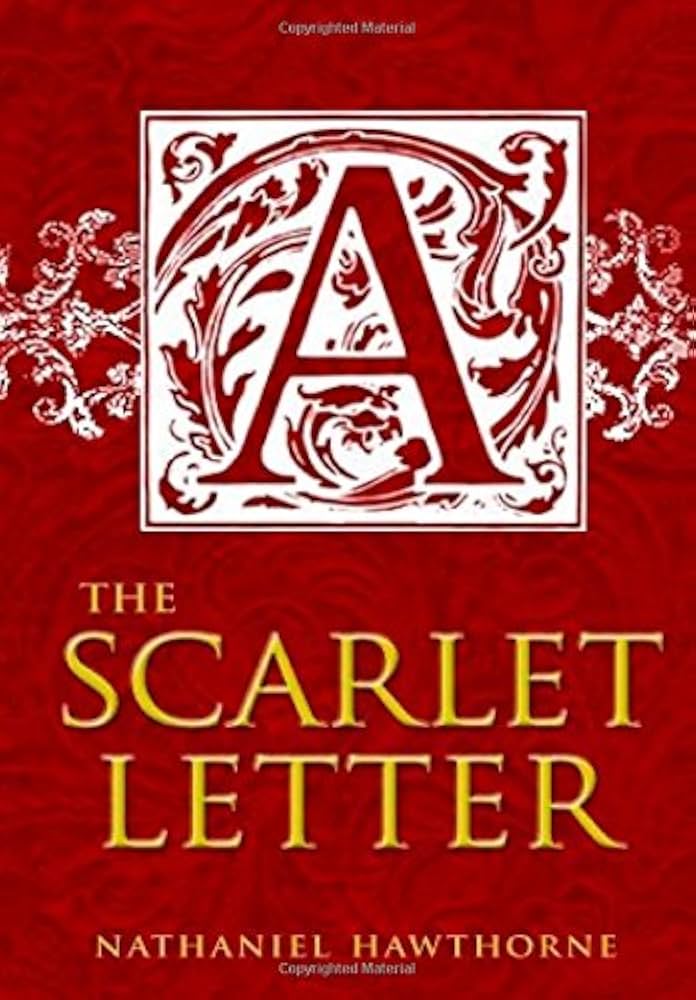
Review: The Scarlet Letter by Nathaniel Hawthorne
Nathaniel Hawthorne’s The Scarlet Letter is an exploration of sin, guilt, and redemption in Puritan New England. It tells the story of Hester Prynne, a woman shunned by her own community and forced to wear the scarlet letter “A” as a symbol of her adultery. The novel examines the harshness of societal judgment to all generations.
Hester Prynne
Hester is a powerful protagonist who endures scorn and isolation with remarkable grace. Her quiet defiance and strength in the face of public humiliation are what makes her character so stimulating. Even as she carries the weight of her scarlet letter, she remains strong for her daughter, Pearl, and becomes a symbol of redemption.
Arthur Dimmesdale
Reverend Dimmesdale, Hester’s secret lover, is a character consumed by his inner torment. His struggle between his religious position and his hidden sin creates an intriguing picture of guilt and hypocrisy. His arc is truly one to be studied, highlighting the power of unconfessed shame.
My Honest Review
The Scarlet Letter is undeniably a classic, and Nathaniel Hawthorne’s prose is rich and evocative. His portrayal of Puritan society and its moral rigidity is both vivid and thought-provoking. The themes of judgment, forgiveness, and personal strength are timeless and resonate even today.
That said, while the writing is strong, I felt the novel lacked a certain spark—some intangible drive that would have made it truly unforgettable. Hawthorne’s style is deliberate and reflective, which sometimes makes the narrative feel weighed down. It’s a story that is deeply meaningful, but not always as engaging as it could be.
Happy Reading!